It began in 2024 with a simple conviction: the professional services industry deserves its own moment.

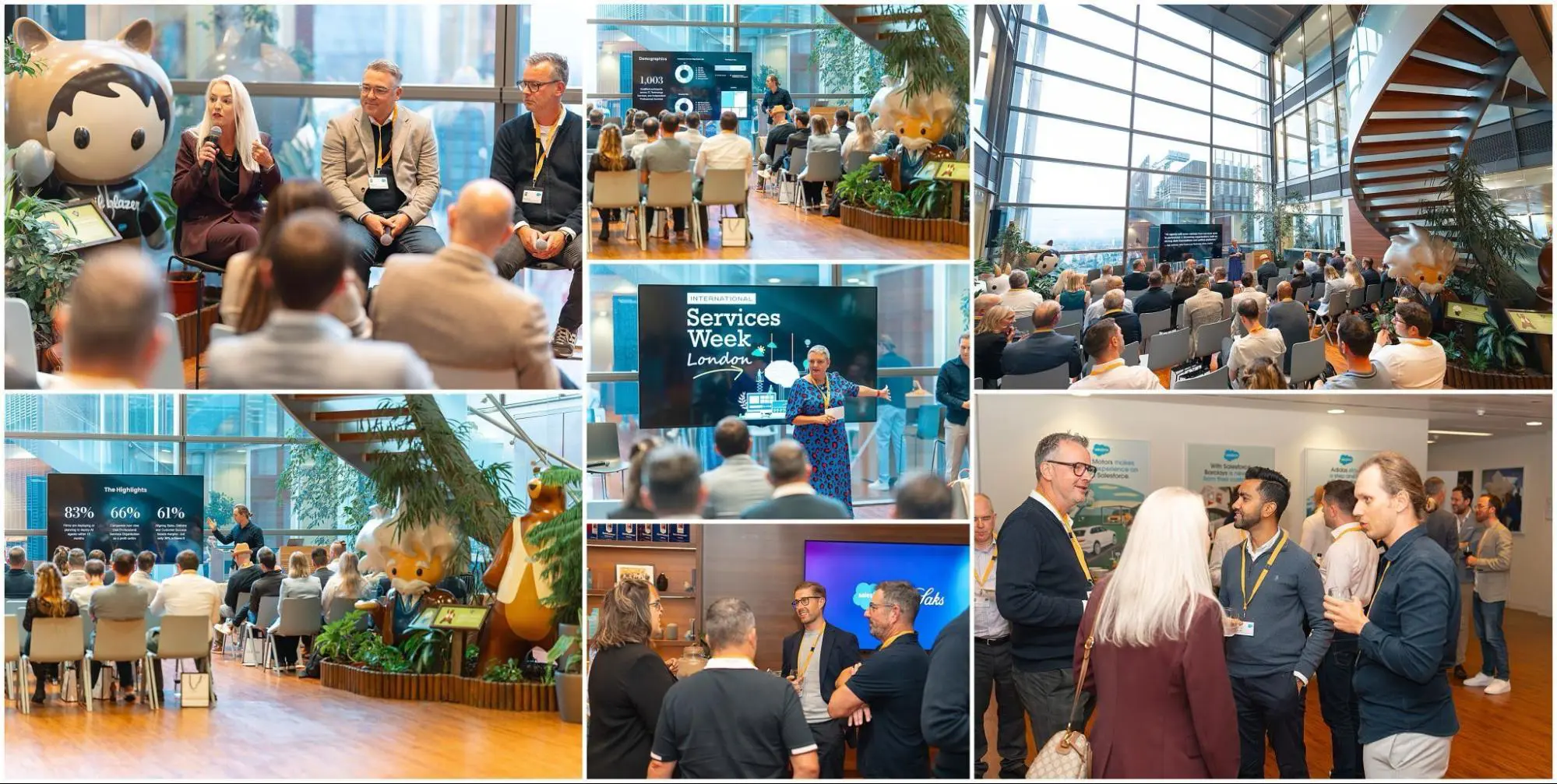
International Services Week is a dedicated time each year for the people whose work is fundamentally about delivering expertise in service to their clients. One week to step back from the daily work, connect with peers around the world, share what they're learning, and collectively take stock of where the industry is headed.
Today, Services Week has grown into a global movement spanning five days of events, research, thought leadership, and community engagement, with each year anchored by a central theme that reflects the most pressing challenges and opportunities the industry is navigating together.
Services Week is open to everyone, and there is no cost to participate. Whether you attend an event, contribute a point of view, host a conversation within your organization, or simply follow along, the week is designed to be valuable at any level of engagement. The goal has always been the same: to celebrate the people behind the work, strengthen the community around them, and move the industry forward — together.
Services by the Numbers
AI adoption is near-universal. Results are not.
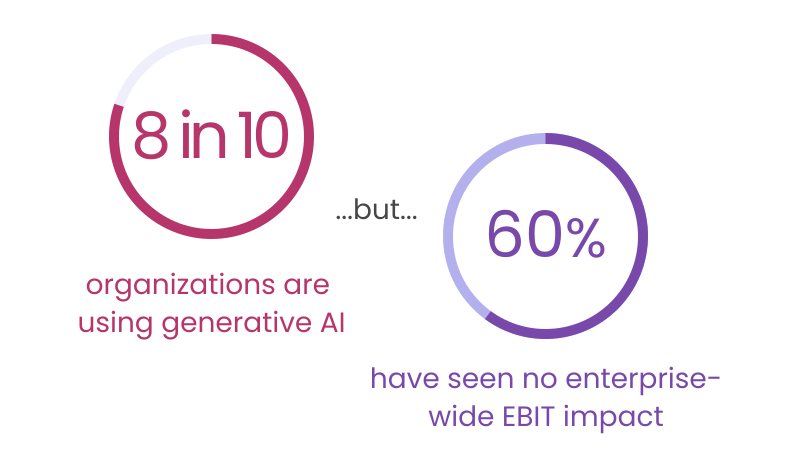
Nearly 8 in 10 organizations are using generative AI in at least one business function — but 60% have seen no enterprise-wide EBIT impact from their AI programs. Deploying AI and capturing value from it are two very different problems.
(Source: McKinsey, April 2026)
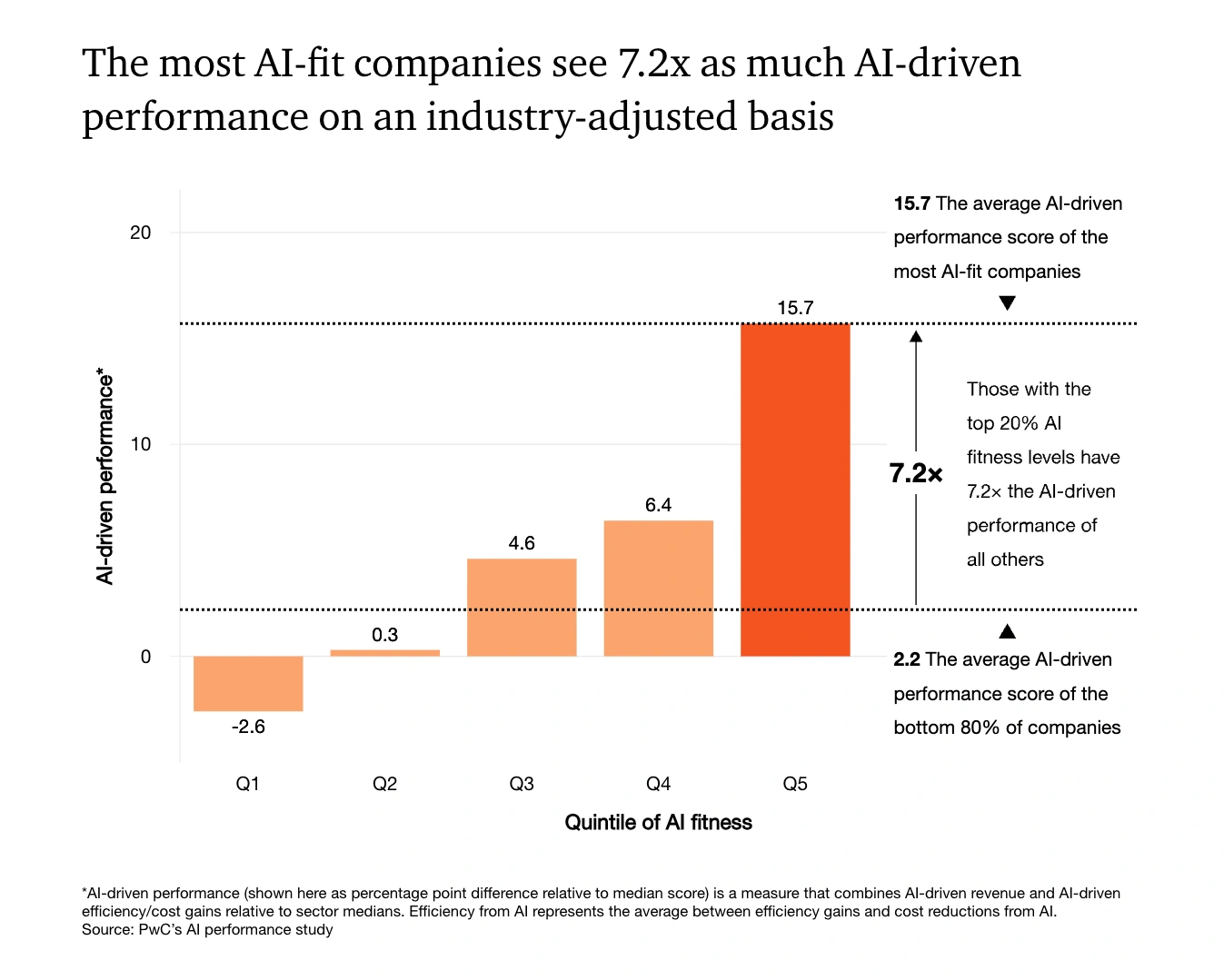
A small group of firms is capturing nearly all of the gains.
20% of companies surveyed capture 74% of all AI-driven returns. The most "AI fit" organizations deliver AI-driven revenues and efficiencies 7.2x higher than their peers — and they are 80% more likely to systematically track the business impact of AI initiatives.
(Source: PwC, April 2026)
AI boosts performance, until it doesn't. The difference is judgment.
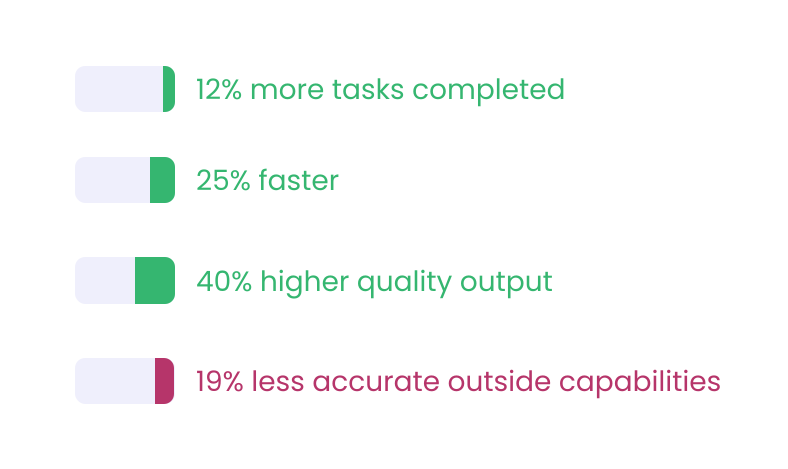
In a landmark field experiment, researchers from Harvard Business School and BCG found that consultants using AI completed 12% more tasks, worked 25% faster, and produced output rated 40% higher in quality. But for tasks that fell outside AI's reliable capability range, those same consultants were 19% less likely to produce correct answers than colleagues working without AI.
(Source: Harvard Business School, September 2023)
AI is winning at intelligence. Judgment is still a human advantage.
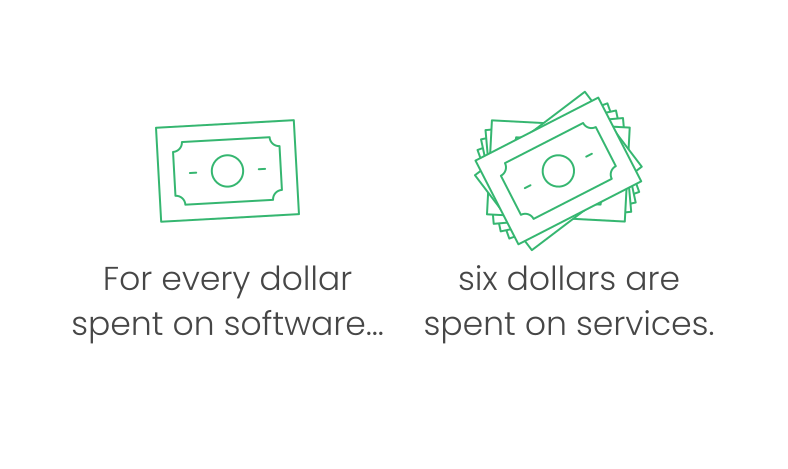
For every dollar spent on software, six are spent on services, and the reason is judgment. AI has crossed the threshold where it can handle most intelligence-heavy work autonomously. What it can't replicate is the instinct, experience, and accountability that define how the best services organizations make consequential decisions. That gap is narrowing. How firms develop and protect it is the question defining the industry right now.
(Source: Sequoia Capital, 2026)
Billable utilization just hit its lowest point on record.
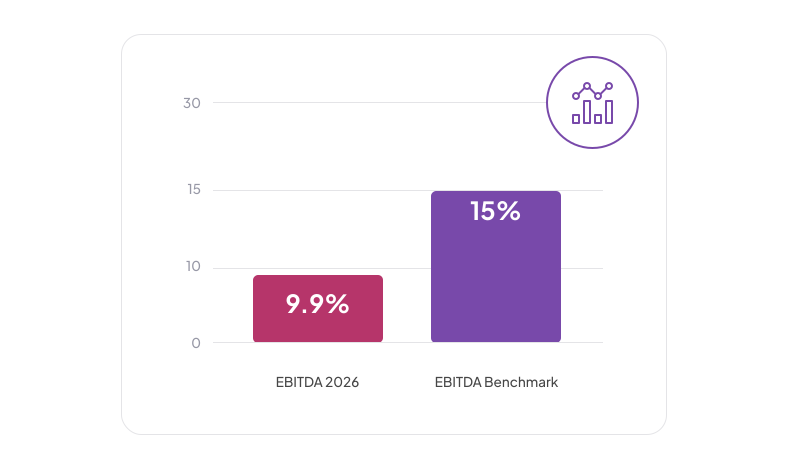
Employee billable utilization fell to 66.4% in 2025, the lowest level in SPI Research survey history. EBITDA profitability remains stuck at 9.9% — still far below the 15% benchmark SPI considers healthy. The pressure to do more with less has never been more acute.
(Source: Service Performance Insight, April 2026)
Agentic AI is coming fast — and governance is lagging.
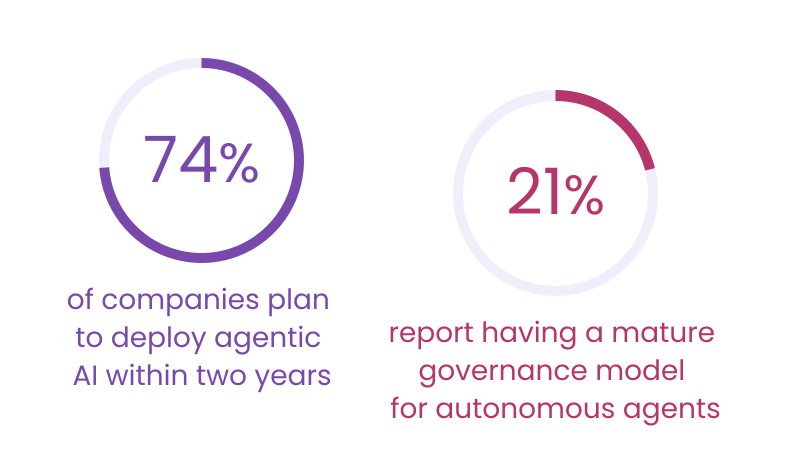
Nearly 74% of companies plan to deploy agentic AI within two years. Only 21% report having a mature governance model for autonomous agents. The gap between deployment ambition and operational readiness is where risk accumulates.
(Source: Deloitte, January 2026)
The skills gap is compounding, and the clock is running.
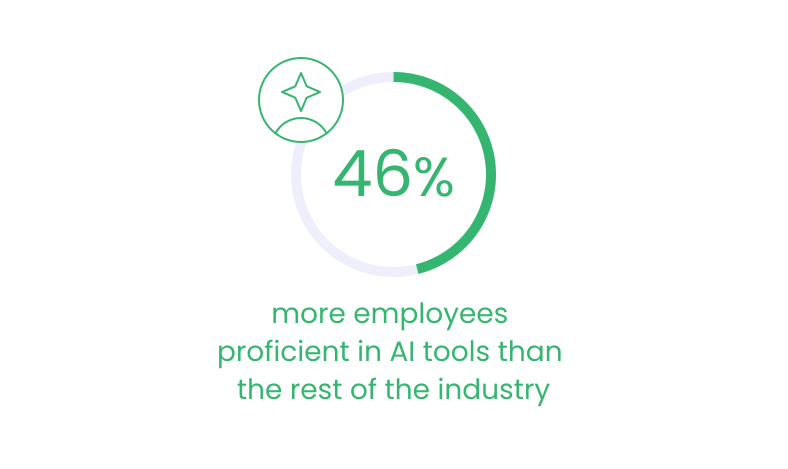
Demand for AI fluency has grown nearly sevenfold in two years, faster than any other skill in U.S. job postings. High-performing services firms have 46% more employees proficient in AI tools than the rest of the industry — and that gap is showing up directly in their margins.
(Source: McKinsey, November 2025; SPI Research, December 2025)