

Giving Knowledge Workers Superpowers: My Conversation at the NYSE
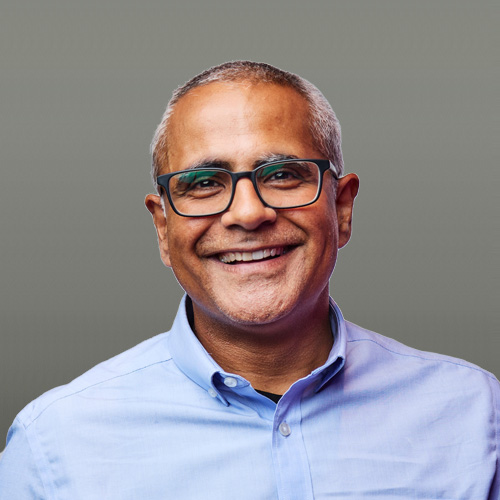
Professional services has always been the most human of businesses. Every engagement is bespoke. Every delivery depends on the skills, availability, and judgment of real people. That's exactly what makes AI's arrival in this space so consequential and so exciting.
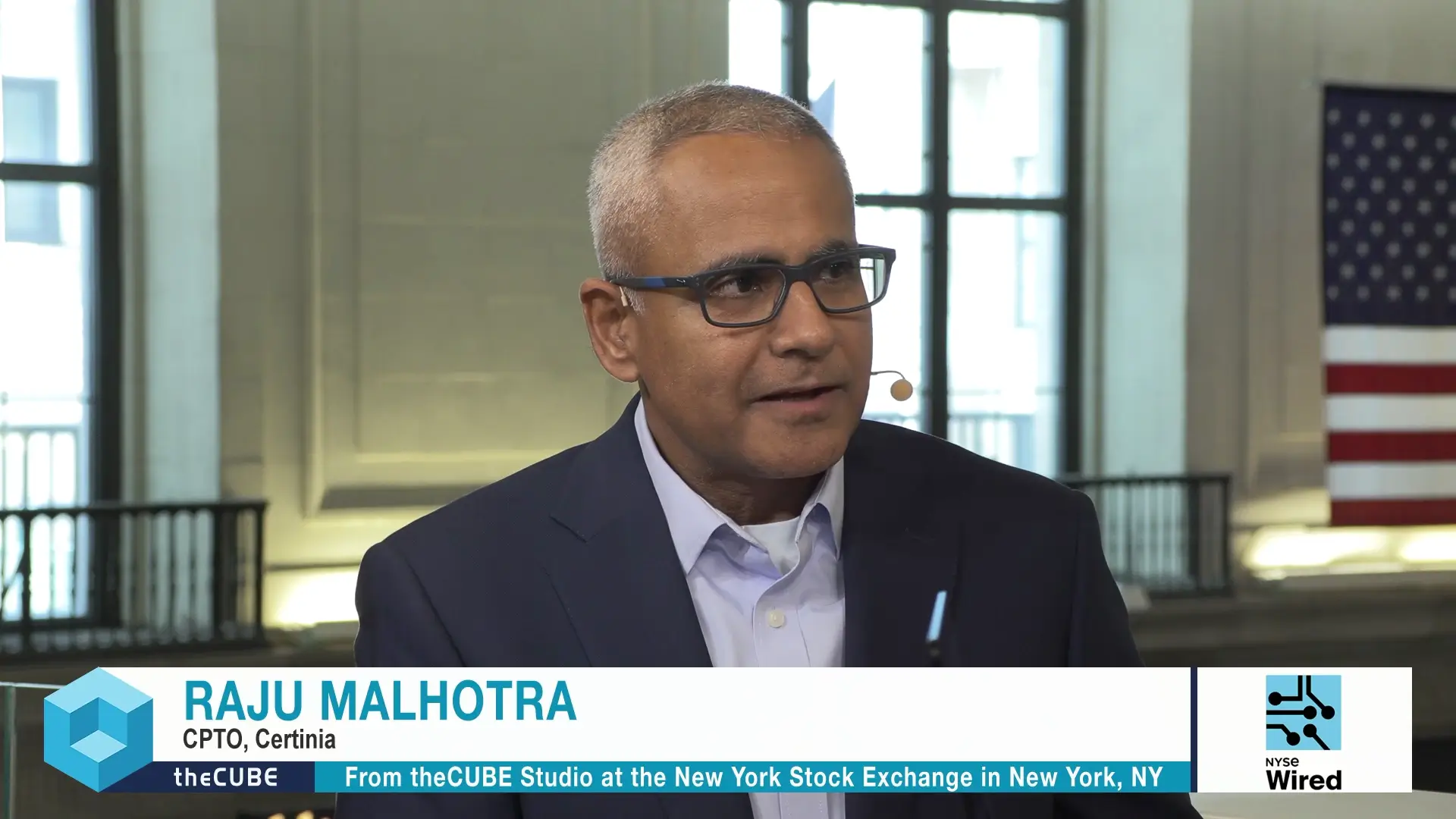
Last week, I had the chance to sit down with Gemma Allen and Scott Hebner, principal analysts at theCUBE Research, on the floor of the New York Stock Exchange for Mixture of Experts, part of theCUBE's NYSE Wired program. We covered a lot of ground — from the "AI is going to take your job" fear narrative to the real, measurable ROI enterprises are already seeing — and I wanted to share a few highlights here before you watch the full conversation embedded below.
The disruption is real. So is the opportunity.
Scott framed the macro moment well: what he calls digital labor transformation goes beyond a technology trend. And professional services, because of how labor-intensive and human-driven it is, sits squarely at the center of it.
Our own third-party research backs this up. Companies in professional services are already deploying hybrid teams of humans and agents. When you remove traditional human capacity constraints, the addressable sales pipeline can expand by six to seven times. That represents a massive structural disruption in how services businesses can grow with AI.
Introducing Veda
That's the context for why we built Veda, Certinia's suite of packaged, role-based AI agents and intelligent actions, purpose-built for the way professional services organizations actually work.
We're not pointing a general-purpose LLM at your data and calling it AI. Veda is built on what I described in the interview as a five-layer architecture: customer data, metadata and telemetry, business logic, a reasoning layer that brings determinism to the inherently probabilistic nature of LLMs, and user experience surfaces wherever your teams already work, whether that's the Certinia app, Salesforce, or Slack.
The reasoning layer is the part I find myself talking about most. 99% reliability on AI-driven financial or compliance decisions simply doesn't cut it. Veda's architecture grounds its outputs in 15+ years of domain knowledge, governance guardrails, and your organization's own policies, rather than relying on pattern-matching against past data alone.
The ROI case is compelling. A project manager using Veda can reclaim up to 20 hours per month, nearly half a work week. Multiply that across a team, and the numbers get serious fast.
In professional services, even a 1% improvement in utilization translates to a 1.3 to 1.5% lift in revenue and roughly a 1.5% improvement in EBITDA. For large organizations, we're talking tens of millions of dollars in impact.
Watch the full conversation
Scott and I also got into trust as the defining word for enterprise AI, our approach to open standards like MCP, and how being one of Salesforce's earliest native ISV Agentforce partners shapes what we're able to build. I think you'll find the full exchange worth your time.
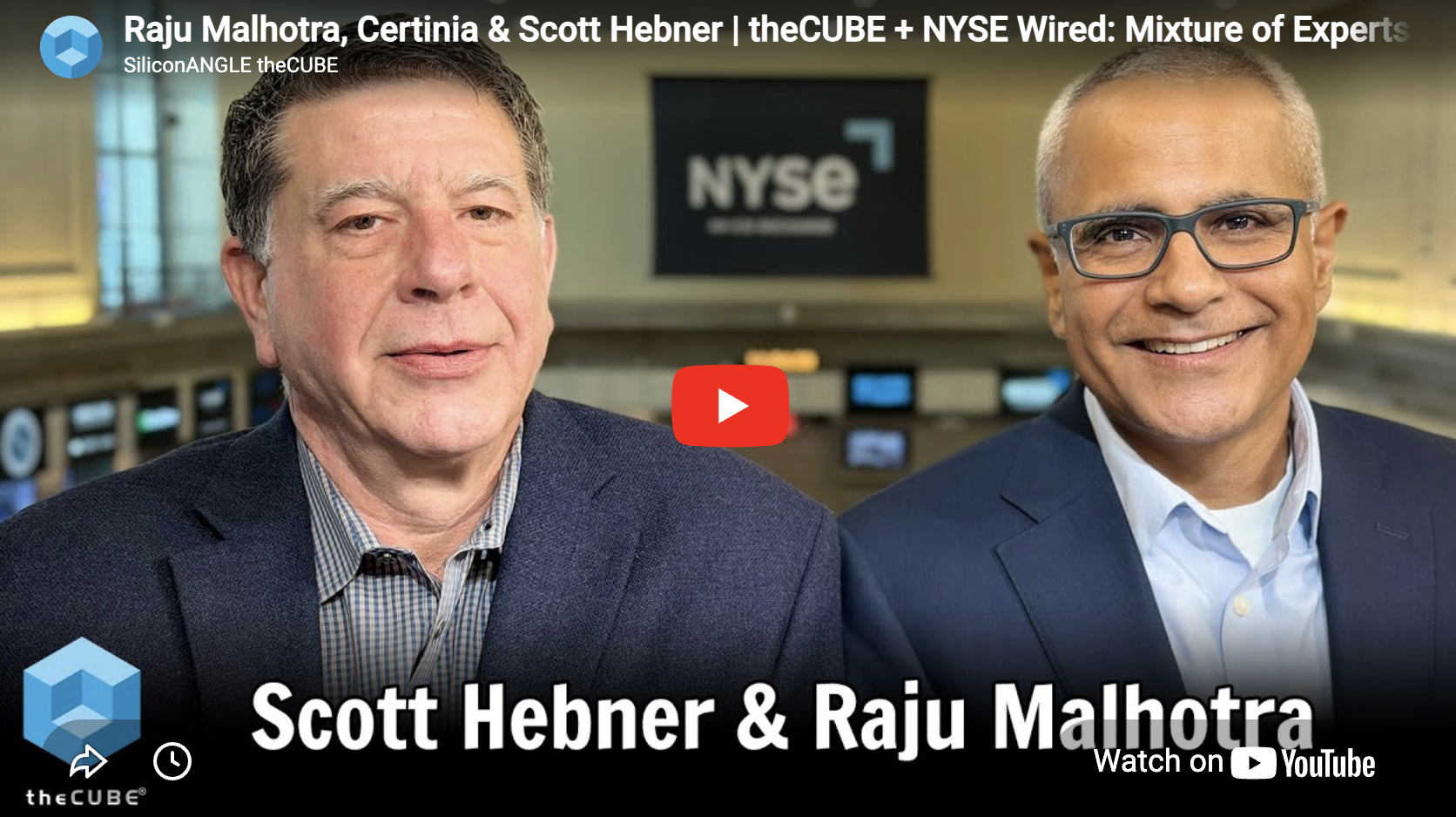
We built Veda because the professional services industry deserves AI that actually understands how it works; not AI that requires the industry to reshape itself around the technology. Watch the full conversation above, and if you want to go even deeper, watch our recent webinar where we showcase Veda in detail how it can impact your business.
Explore Related Content
Recent Articles




Run your services business with clarity, speed, and confidence